
✍️Can You Name These Classic Books And Their Authors?📚
5. Which book begins with the line, "Call me Ishmael"?
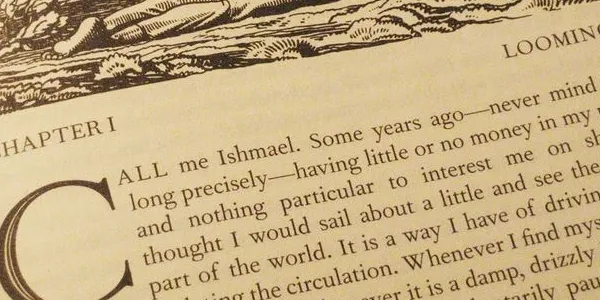
The famous opening line belongs to Herman Melville's Moby-Dick. Simple yet mysterious, "Call me Ishmael" introduces the narrator, Ishmael, and sets the tone for an epic tale of obsession, fate, and the struggle between humanity and nature.
What makes a book a "classic"? Some say it's stories that remain relevant, profound, and beloved long after the author's death. Classic works open windows into different eras, challenge perceptions, and reveal universal truths about human life. From ancient epics like The Odyssey to modern classics like To Kill a Mockingbird, these works connect readers across cultures and generations.
Writers Who Shaped the World
Behind every great classic is a visionary writer. Think of Jane Austen's witty observations on society, Charles Dickens's vivid portrayal of Victorian life, or Mark Twain's biting humor. Their works are more than just books; they're commentaries, sometimes rebellious, sometimes inspiring, and always unforgettable. Understanding these writers adds depth to the stories we read.
A Global Classic Across Time and Space
Classic literature isn't confined to Europe or the United States. From Japan's "The Tale of Genji" to Russia's "War and Peace" to Latin America's "One Hundred Years of Solitude," every culture has contributed masterpieces that have shaped the literary canon. These global voices offer us new perspectives on love, conflict, family, and the human spirit.
Reading the Classics
You might be wondering, "Do we still need to read books written centuries ago?" The answer is yes! Classic works not only entertain but also help us reflect on contemporary issues. Themes like justice, identity, morality, and resilience remain as relevant today as they were centuries ago. Furthermore, their frequent presence in popular culture makes them great for trivia night!
Do you think "Pride and Prejudice" and "Great Expectations" are similar? Or is Moby Dick a lot like Ulysses? Time to test your knowledge.