
Wanna know if you are ready to travel? Take this quiz and find out!
3. Which city and country is this attraction located in?
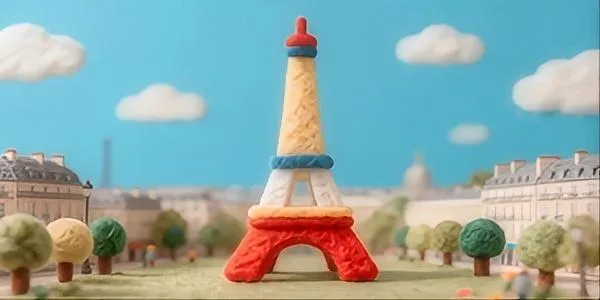
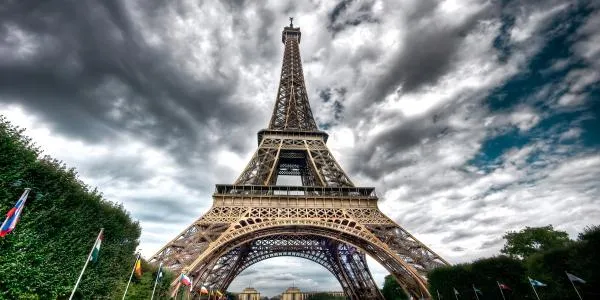
This is one of France's iconic buildings, built for the 1889 World's Fair to celebrate the 100th anniversary of the French Revolution's victory.
Attractions are way more than just "places to snap a pic for social media"! They're like a destination's "time capsule": take China's Great Wall, for example, it holds the stories of ancient soldiers' dedication; Egypt's Pyramids keep the wisdom of an ancient civilization alive; even those tiny villages with tricky names preserve the way of life passed down through generations.
And attractions are like "cultural bridges", many people start learning about a country's history and customs because of a snow-capped mountain or an old temple. Slowly, they let go of prejudices and learn to respect differences. On a more practical note, attractions bring in money for local areas: when tourists visit, they stay in hotels, eat local food, and buy souvenirs. This helps locals live better lives and ensures these precious spots get properly protected.
Simply put, attractions are "pretty," but they're also "meaningful", they carry the past, connect the present, and shape the future!
The History of Travelers,Turns The Point of Attractions,They're More Than Just"Phots spots"
Don't think travelers are a modern job, people have been "traveling the world" for thousands of years!
The earliest travelers often set out on "missions": take Zhang Qian from China, for instance. He traveled thousands of miles to the Western Regions, not only opening up trade routes but also bringing back foreign cultures and goods. During the Middle Ages, Marco Polo left Italy and traveled all the way to China. His travelogue let Europeans get a close-up look at the prosperity of the East for the first time.
Later, traveling became a "hobby": in the 18th and 19th centuries, many European nobles would go on "grand tours" around Europe with servants and painters. They admired attractions while learning about art and history. As transportation got better, with trains and planes, ordinary people could travel far too. Travelers were no longer "for the few." Some people started making a living by writing travelogues and taking photos, sharing beautiful scenery and stories from around the world with more people.
Today's travelers are even cooler, some carry cameras to explore uninhabited areas, some lead teams to discover niche attractions, and others let people "visit virtually" through live streams. But one thing stays the same: they all measure the world with their feet, turning those hard-to-pronounce, remote attractions into "dream destinations" for everyone!
How to Become a Traveler and See Famous Attractions Around the World, It's Easier Than You Think!
Becoming a traveler doesn't mean you have to "quit your job and travel the world", ordinary people can make this dream come true step by step:
First, do a little "homework": before you go, don't just check travel guides. Spend 10 minutes learning about the attraction's background, like how to pronounce its tricky name or what historical stories it holds. That way, when you're there, you'll see more than just "pretty scenery", you'll experience stories with heart, and taking photos will feel more meaningful.
Next, dare to "hit the road": you don't have to go far right away. Start with small, niche attractions nearby to gain travel experience. Gradually, try visiting neighboring countries or farther places. If you're on a budget, go backpacking, stay in hostels and take public transport. You'll actually meet more interesting people and have more fun that way!
Also, learn to "document": whether it's writing social media captions, keeping a travel journal, taking photos, or editing videos, record what you see and hear during your trips. It not only makes a great souvenir but also lets you share with others. Slowly, you'll start to feel like a "traveler"!
Finally, be "patient": the world is huge, and there are so many famous attractions, you can't see them all at once. Save money bit by bit and plan gradually. Even if you only visit one place a year, over time, you'll become a traveler who "has seen the world's beauty"!
Understanding the Importance of the World's Famous Attractions, Don't Just Treat Them as "Checklist Items"
Many people treat "visiting famous attractions" as a "task" when they travel: they take a photo when they arrive, post it on social media, and then leave, they don't even remember the attraction's name, let alone understand its significance.
Actually, the "importance" of famous attractions isn't about how popular they are or how hard they are to visit, it's about what they can bring you. For example, standing on Greece's Acropolis, you can feel the glory of ancient civilizations; walking in Pokhara, Nepal, you can experience the harmony between nature and humanity. Even those niche attractions with tricky names can make you realize, "The world is so big, and there are so many ways to live."
Moreover, famous attractions are the "common wealth of all humanity": they might be endangered cultural heritage sites or fragile natural landscapes that need our protection. When traveling, throwing away one less piece of trash, not touching cultural relics casually, and respecting local customs, these small acts help "sustain" these attractions, so future generations can also see their beauty.
So, next time you visit a famous attraction, don't rush to "check it off your list." Slow down, pronounce its name correctly, learn its story, and feel its meaning. That's the best "respect" you can give to the attraction, and the most precious part of traveling!
Conclusion
Now you know it, those hard-to-pronounce attractions aren't just full of culture and history; they can also inspire you to become a traveler and learn to respect the world. Next up, it's time to test your "name-pronouncing skills" and knowledge! This challenge will introduce you to more amazing attractions with tongue-twisting names and help you unlock travel tips. Are you ready to conquer these "hard-to-say attraction names" and start your own travel journey?